Your 20s are an exciting time to discover your skin, understand its needs, and build a skincare routine that will support it for years to come. While you may not need a complicated 10-step routine, choosing the right products early can help maintain healthy, hydrated, and radiant-looking skin.
One of the easiest ways to enhance your routine is by incorporating serums. These lightweight skincare products contain concentrated ingredients designed to target specific concerns, such as dehydration, uneven skin tone, breakouts, and early signs of aging.
But with so many options available, where should you start? Here are four essential serums worth considering in your 20s and how to use them effectively.
Hydration is the foundation of healthy-looking skin. Whether your skin is oily, dry, or combination, keeping it hydrated can improve its appearance and help maintain a comfortable skin barrier.
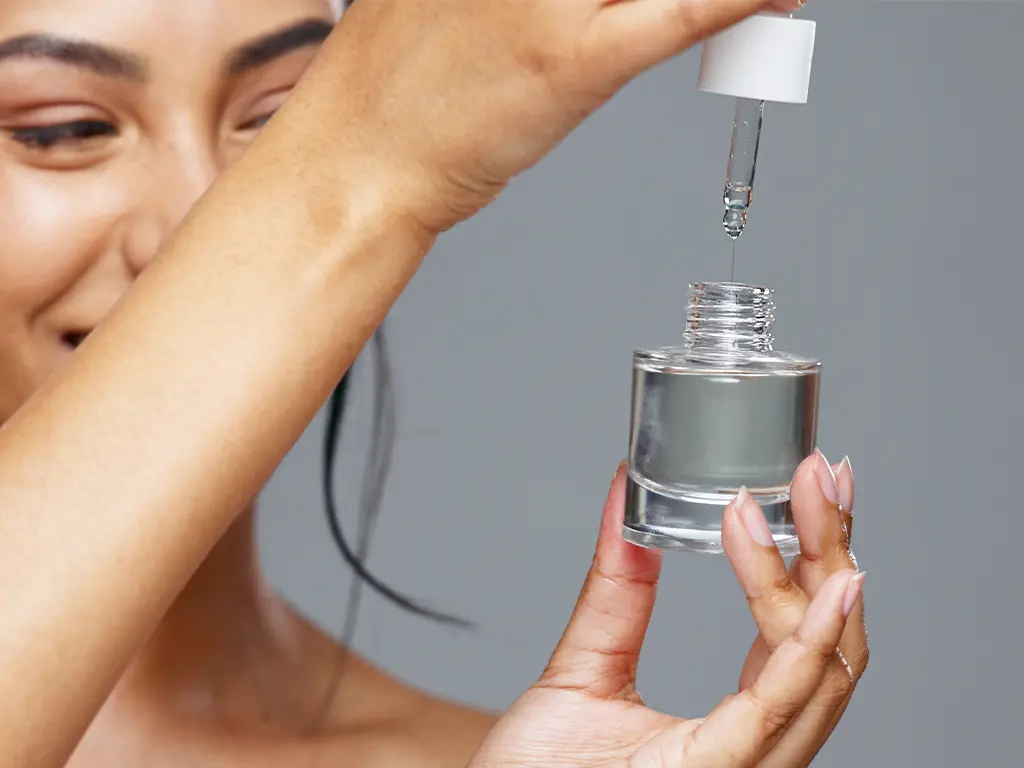
Hyaluronic acid is a humectant, meaning it attracts and holds water. When used in a skincare routine, it can help the skin look smoother, softer, and more supple.
Why you should use it:
How to use it: Apply a few drops to slightly damp skin after cleansing, then follow with a moisturizer to help seal in hydration. You can use it morning and evening.
Beauty tip: If your skin often feels tight after washing your face, a hydrating serum may be a helpful addition to your routine.
If your goal is a healthy glow, vitamin C is an ingredient to consider. It is an antioxidant that helps protect the skin against oxidative stress caused by environmental factors, including pollution and ultraviolet radiation.
Vitamin C can also help improve the appearance of uneven skin tone and dark spots over time.
Why you should use it:
How to use it: Apply your vitamin C serum in the morning after cleansing and before moisturizer and sunscreen. Start with a gentle formulation if you are new to the ingredient.
Beauty tip: Vitamin C is not a replacement for sunscreen. Use a broad-spectrum SPF 30 or higher every morning, and reapply as directed when spending time outdoors.
Niacinamide, also known as vitamin B3, is a versatile skincare ingredient that suits many skin types. It supports the skin barrier and can help improve the appearance of excess oil, redness, and uneven skin tone.
If you experience occasional breakouts, visible pores, or an oily T-zone, niacinamide may be particularly useful.
Why you should use it:
How to use it: Apply after cleansing and before moisturizer, either morning or evening, depending on your routine and the product’s instructions. A lower concentration may be sufficient for beginners.
Beauty tip: More is not always better. If you are just starting out, choose a well-formulated product and introduce it gradually rather than immediately reaching for the highest concentration.
Your 20s can be a good time to learn about retinoids, although not everyone needs to start using them at this age. Retinol, a vitamin A derivative, is commonly used to address acne, uneven texture, and the appearance of fine lines.
It works by influencing skin-cell turnover and supporting changes in the skin over time. Because it can cause dryness, irritation, and peeling, introducing it carefully is essential.
Why you should consider it:
How to use it: Begin with a low-strength formulation two evenings per week, applying it to dry skin and following with moisturizer. Increase frequency only as your skin tolerates it. Follow the specific product instructions, and avoid combining it with several other potentially irritating actives when starting out.
Beauty tip: Retinol is not suitable during pregnancy or when trying to conceive as a precaution; ask your healthcare professional about appropriate alternatives. If you are breastfeeding, seek individualized medical advice before using it.
You do not need all four serums at once. A simple routine that addresses your main skin concerns is often more effective and easier to maintain than layering numerous active ingredients.
On evenings when you use retinol, keep the rest of your routine gentle. If your skin becomes irritated, reduce use or pause the active ingredients until it recovers.
The best serum depends on your individual needs rather than your age alone.
Remember that skin types can overlap. You may have oily but dehydrated skin, or dry skin that is also prone to breakouts. Adjust your routine according to how your skin responds.
Even the best skincare ingredients will not deliver the desired results if your routine is too harsh or inconsistent. Keep these common mistakes in mind:
Using too many active ingredients at once. Introducing several new serums simultaneously makes it difficult to identify what works and what causes irritation. Start with one new product at a time.
Skipping sunscreen. Daily sun protection is one of the most important steps for helping prevent sun damage and premature skin aging.
Expecting overnight results. Hydration may improve the skin’s appearance quickly, but concerns such as dark spots, acne, and texture often require several weeks or longer to improve.
Ignoring your skin barrier. Excessive exfoliation and overuse of strong ingredients can cause dryness, redness, and irritation. Gentle cleansing and moisturizing are essential.
Following every skincare trend. A product that works well for someone else may not suit your skin. Focus on your own concerns and introduce new products thoughtfully.
Your 20s are not about preventing every wrinkle or achieving perfectly flawless skin. They are about learning what your skin needs and building healthy habits that you can maintain over time.
Hyaluronic acid can help with hydration, vitamin C can support brighter-looking skin, niacinamide can help maintain a healthy skin barrier, and retinol may be useful for selected concerns when introduced carefully.
Start with the basics: a gentle cleanser, moisturizer, and daily sunscreen. Then choose one serum that addresses your biggest concern and give it time to work.
Ultimately, the best skincare routine is not the one with the most products. It is the one that suits your skin, fits your lifestyle, and helps you feel confident and comfortable in your own skin.
Your skincare journey starts with understanding your skin—not buying every serum on the shelf.